
Press release
Original Survey: 129 Gluten-Free Places in Tokyo Counted by Dish. Ramen 7, but Sukiyaki, Yakitori, Tonkatsu and Yakiniku 0. By a Couple Living with a Wheat Allergy
Tokyo, November 10, 2026. Japanese version: PR TIMES
VERSENCE Inc. (Suginami, Tokyo; CEO: Yuma Maki) has published a dish-by-dish count of where a gluten-free traveler can eat in Tokyo. The base is the 129 Tokyo restaurants and shops (as of November 3, 2026) that the authors, Komemaru, who lives with a wheat allergy, and her husband Maki, personally visited, ordered at, both judged safe and delicious, and listed in their Gluten-Free Tokyo Planning Guide. For dishes with few or no listings, the authors also searched beyond their own list on Tabelog, Google Maps and the Web. Cakes and pastries have 22 places, ramen and curry 7 each, while tonkatsu, yakiniku, yakitori and sukiyaki have none, as far as the authors could find. Sushi has two places and udon one that state gluten-free options officially (not yet visited by the authors).
The survey reports two kinds of numbers: dishes for which, as far as the authors could find, no gluten-free option exists in Tokyo, and the number of places the authors have verified for each dish.
Dishes with zero gluten-free options in Tokyo, as far as we could find
| Dish | Where wheat goes in | Note |
|---|---|---|
| Tonkatsu | Panko, shared fryer oil, sauce | Beef katsu, chicken katsu, menchi-katsu and miso katsu are served by one specialist company |
| Fried oysters | Panko, shared fryer oil | Fried shrimp and fried horse mackerel are served at one place |
| Yakiniku | Tare, shared grill | |
| Yakitori | Tare | The one place that offered it closed in April 2026 |
| Sukiyaki and shabu-shabu | Warishita, ponzu | |
| Chicken nanban | Batter, sauce, tartar sauce ingredients | |
| Katsudon and gyudon | Panko, soy sauce in the sauce | |
| Kaisendon | Soy sauce, marinade | May be possible if you bring wheat-free soy sauce. Watch for marinated toppings |
| 100% buckwheat soba | Soy sauce in the dipping sauce | Even when the noodles are 100% buckwheat, the sauce uses regular soy sauce |
For these dishes, no restaurant with a current, official gluten-free statement turned up in the authors' own visit records, on Tabelog or Google Maps, or in Web searches. None of these dishes is at zero because a restaurant was left out for taste. The authors did not check every restaurant, and they ask to be told about any place they missed; they will visit, and list it if it is safe and delicious.
Sushi and udon are the exceptions: two sushi restaurants (Roppongi and Kagurazaka) and one udon shop (Harajuku, certain dishes only) state gluten-free options on their own current websites, official accounts or menus. The authors have not yet visited them, so taste and cross-contamination remain unverified.
Wheat hides where it cannot be seen: soy sauce and grain vinegar in sushi, panko and shared fryers in tonkatsu, tare in yakiniku and yakitori, the noodle itself in udon, the warishita broth in sukiyaki. Rice-flour panko and wheat-free soy sauce exist, but separating fryers and grills is no small burden for a restaurant. It appears that, for now, no restaurant happens to offer them.
Places the authors have verified (guide listings)
"Celiac-ready" places serve an entirely gluten-free menu with cross-contamination measures (41 places). The wheat-allergy tier follows Komemaru's own standard, which allows trace wheat such as soy sauce (117 places). 29 places are in both. A place serving several dishes is counted once under each dish.
| Dish | Listed | Celiac-ready |
|---|---|---|
| Vegan and vegetable-focused restaurants | 17 | 5 |
| Set meals and izakaya (Japanese food in general) | 12 | 9 |
| Ramen | 7 | 3 |
| Curry | 7 | 1 |
| Karaage (Japanese fried chicken) | 6 | 3 |
| Okonomiyaki and monjayaki | 5 | 1 |
| Tempura | 4 | 3 |
| Pan-fried gyoza | 4 | 3 |
| Pasta | 4 | 1 |
| Pizza | 4 | 2 |
| Middle Eastern (falafel) | 4 | 0 |
| Pork buns | 3 | 2 |
| Tendon (tempura rice bowl) | 3 | 2 |
| Yakisoba and ankake yakisoba | 3 | 2 |
| Cutlets (beef katsu, chicken katsu, miso katsu) | 2 | 2 |
| Takoyaki | 2 | 1 |
| Kushiage | 1 | 1 |
| Oyakodon | 1 | 1 |
| Menchi-katsu | 1 | 1 |
| Cream croquettes | 1 | 1 |
| Fried chicken wings | 1 | 1 |
| Yurinchi (fried chicken with scallion sauce) | 1 | 1 |
| Mapo tofu | 1 | 1 |
| Fried shrimp | 1 | 0 |
| Fried horse mackerel | 1 | 0 |
| Burgers | 1 | 0 |
These are places the authors visited and judged safe and delicious; Tokyo may have more, including places the authors have not visited or did not list. For a traveler, the number means "at least this many verified places". Rice bowls are limited to tendon and oyakodon, plus a steak bowl and a chicken chili sauce bowl. Three of the seven curry places are branches of one yakuzen (medicinal herb) curry restaurant, and most curry is yakuzen or spice curry.
Three of the four gyoza listings belong to one company
A single gluten-free restaurant company with three branches (Harajuku, Roppongi, Ueno-Hirokoji) accounts for three of the four gyoza listings, both cutlet listings and two of the three yakisoba listings. The same branches account for three of the six karaage listings, three of the seven ramen listings and two of the four tempura listings. Their official menus (as of November 3, 2026) list, besides gyoza and karaage, pork buns, menchi-katsu, cream croquettes, beef katsu, chicken katsu, miso katsu, fried chicken wings, yurinchi, mapo tofu, yakisoba, ankake yakisoba, spring rolls and hiyashi chuka: dishes that normally contain wheat. Items differ by branch.
Sweets and bread are plentiful
| Dish | Listed | Celiac-ready |
|---|---|---|
| Cakes and pastries | 22 | 10 |
| Bakeries | 17 | 7 |
| Cafes (coffee and tea) | 12 | 1 |
| Japanese sweets (taiyaki, sweet potato yokan and more) | 9 | 3 |
| Doughnuts and churros | 4 | 2 |
| Ice cream, chocolate and more | 4 | 0 |
| Pancakes and galettes | 3 | 2 |
Tokyo has many places for cakes and bread. Seen through this count, what is missing is not places to eat in general, but some of the classic dishes, such as tonkatsu and yakitori.
Listed online, but often closed or no longer gluten-free
For sixteen dishes with few listings, the authors searched again outside their own list, using the routine they use for their own meals: the Japanese and English words for gluten-free and rice flour on Tabelog and Google Maps, plus Web searches by dish. About 40 restaurants came up. Only four state gluten-free options on their own current website, official account or menu: two sushi restaurants and one udon shop (not yet visited by the authors) and one burger cafe. Four of the leads turned out to have closed or stopped offering gluten-free dishes: a tonkatsu shop, an udon shop, a yakitori restaurant and a pizzeria. For tonkatsu, yakiniku, yakitori, sukiyaki, shabu-shabu, fried oysters and 100% buckwheat soba, no restaurant with a current, official gluten-free statement was found, as far as the authors could tell.
Most of the names came from reviews several years old or from lists on booking sites. One tonkatsu restaurant, described as gluten-free on the Web and in reviews, told the authors by phone that it no longer offers it. Depending on the place, the authors have called, emailed or asked in person. Japan has no legal definition of "gluten-free", so a restaurant and the people who write about it can each mean something different by it. For a traveler with celiac disease, an outdated listing is not an inconvenience; it is a health risk. This is why the guide lists only places the two authors visited and checked themselves.
A note to restaurants
Offering gluten-free food, from switching ingredients to separating kitchen space, takes real effort for a restaurant. At the same time, Japan welcomed 42.68 million international visitors in 2025 (Japan National Tourism Organization, estimate). Celiac disease affects roughly 1% of people in Western countries, and some of those visitors are looking for gluten-free meals.
Any Tokyo restaurant that begins serving gluten-free tonkatsu, yakitori, yakiniku or sukiyaki, or already does and is not yet known to the authors, is invited to write to info@versence.jp. Only places the authors visit and honestly judge safe and delicious are listed, free of charge, in the guide and on the English media site. There are no sponsored listings.
Method and limits
- "Zero" means that, within the authors' visit records and their searches on Tabelog, Google Maps and the Web (conducted November 3, 2026), no restaurant with a current, official gluten-free statement was found. The authors did not check every restaurant and may have missed places.
- "Verified places" are guide listings: places the authors visited and judged safe and delicious, not every restaurant in Tokyo. The real number may be higher. The two sushi restaurants and the udon shop are not guide listings; they are counted from their own official statements and have not been visited by the authors.
- Dishes were classified by the authors from each place's menu. Because one place can count under several dishes, the dish counts do not add up to the number of places. Figures are as of November 3, 2026, and will change as places open and close.
Comments
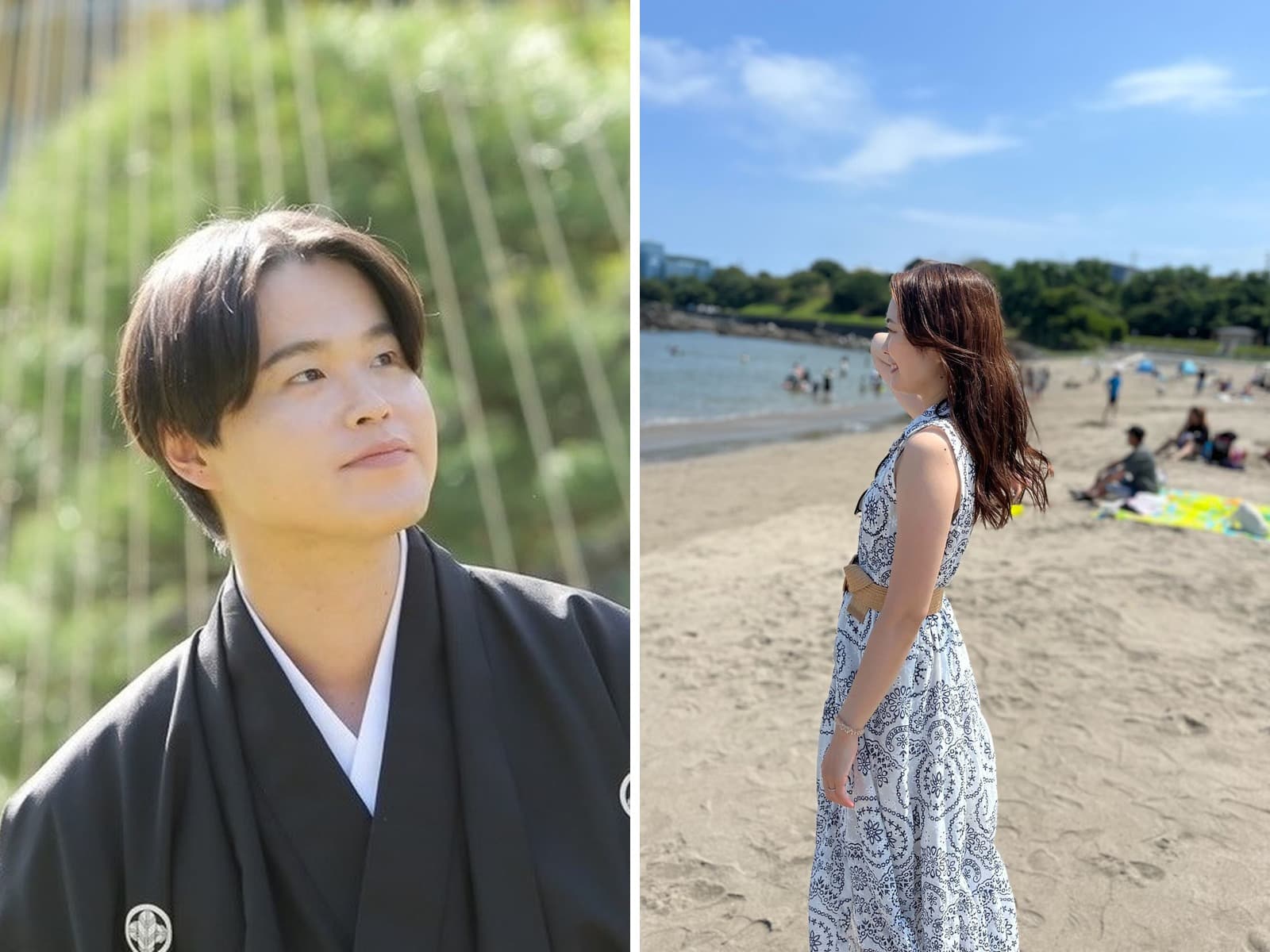
Komemaru: "I sometimes cook for myself, but cooking at home has its limits and I want to enjoy eating out too. This time we counted dish by dish and saw the number zero. If even one restaurant starts serving these dishes, I think it would bring happiness to people with a wheat allergy, Japanese and foreign alike."
Maki: "Search engines do give you gluten-free candidates. But when you check the website, call or email, most of them drop off the list. That is a major hurdle for people with a wheat allergy or celiac disease choosing a restaurant in Japan. That is why we visit and check one restaurant at a time. We hope these results help even one person."
About the guide and VERSENCE Inc.
The Gluten-Free Tokyo Planning Guide (2026 Edition) is a PDF of 60+ pages, every page in English and Japanese, with two custom Google Maps (celiac tier and wheat-allergy tier), sold at gf.versence.jp/guide for USD 33. Gluten-Free Japan Compass (gf.versence.jp) is VERSENCE's free English media for gluten-free travel in Japan. VERSENCE Inc. (Suginami, Tokyo; founded March 31, 2025; CEO Yuma Maki). Corporate site: versence.jp
Media contact
VERSENCE Inc. / Yuma Maki
Email: info@versence.jp
Information only, not medical advice. Accuracy is not guaranteed. Please consult your physician about allergy management. Restaurant menus and kitchen practices can change without notice; please check with the restaurant before you visit.