
Press release
100 Tokyo Restaurants, Checked One by One for a Wife with a Wheat Allergy: VERSENCE Launches a Business for Gluten-Free Travelers Visiting Japan
Tokyo, September 29, 2026
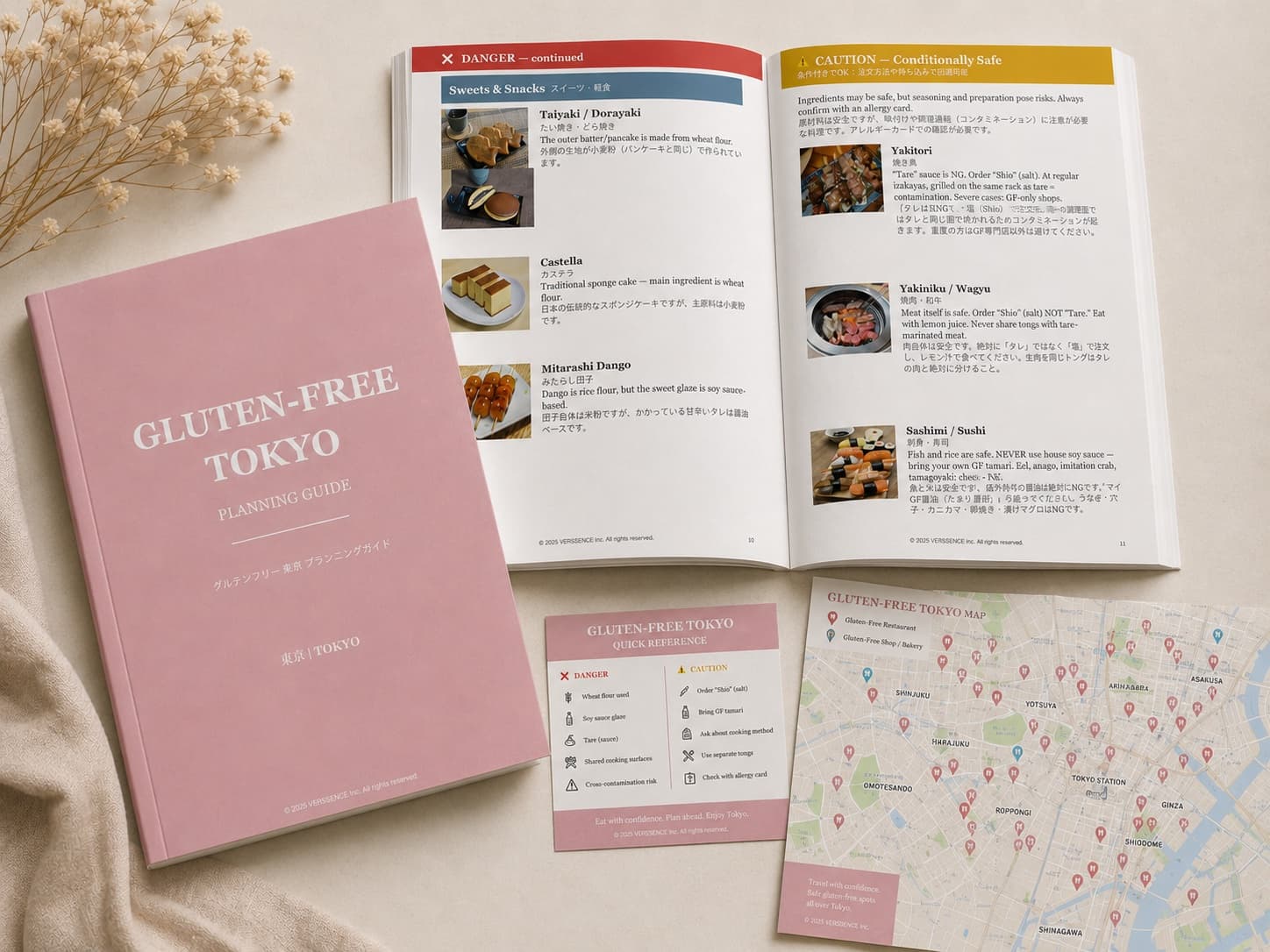
VERSENCE Inc. (Suginami, Tokyo; CEO: Yuma Maki) has launched a business dedicated to one goal: that travelers who must avoid gluten, because of celiac disease or a wheat allergy, can enjoy Japanese food without fear. Its first product, the Gluten-Free Tokyo Planning Guide (2026 Edition), went on sale on September 21, 2026. It was written by a Tokyo couple, Komemaru, who lives with a wheat allergy, and her husband Maki. The guide covers only restaurants and shops the two personally visited, ordered at, and both found delicious: more than 100 across Tokyo. Every page is in English and Japanese. It is available at gf.versence.jp/guide for USD 33 as a PDF plus a custom Google Map.
It started with a diagnosis
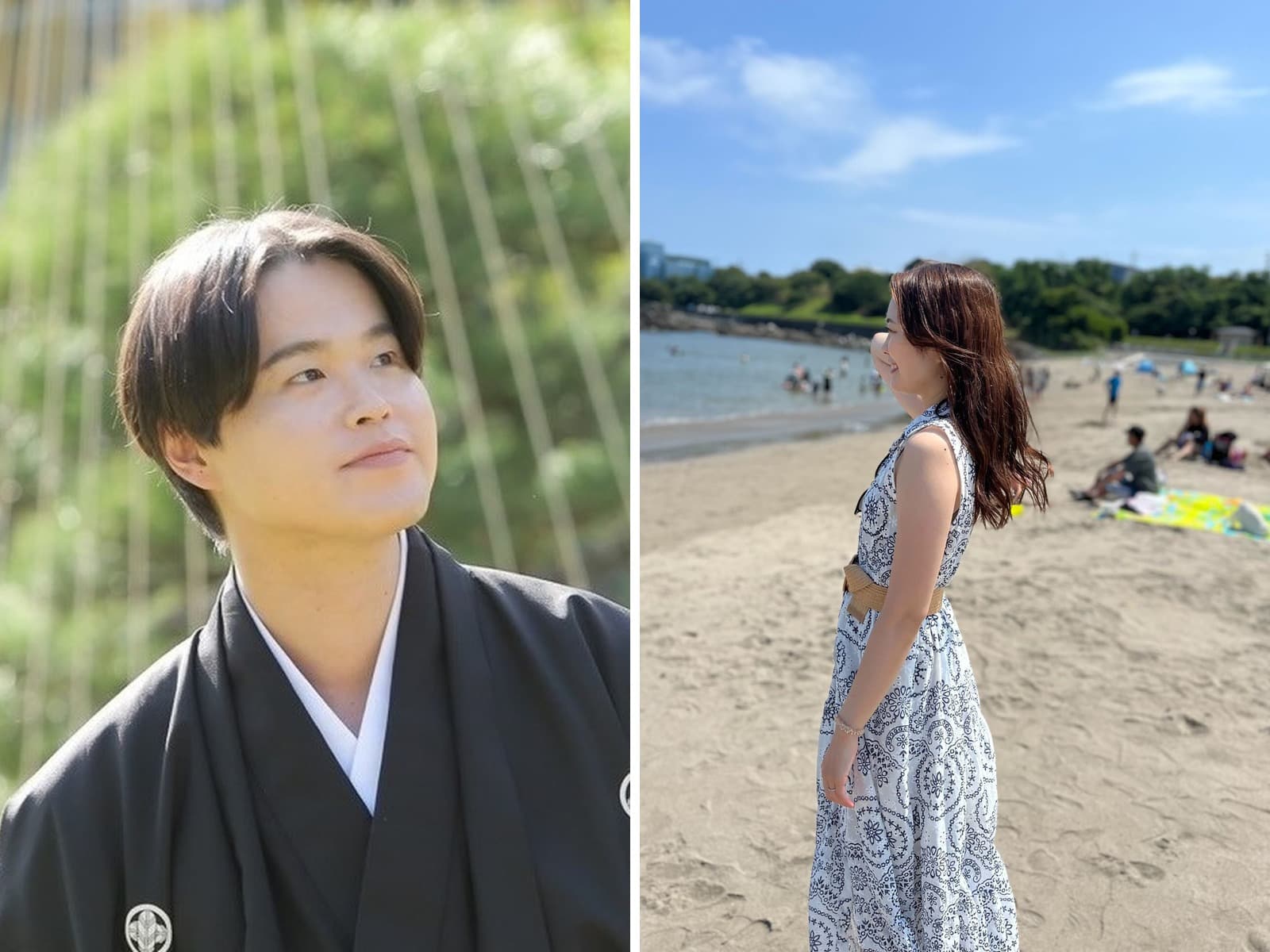
Komemaru was diagnosed with a wheat allergy at 24. From that day, eating out stopped being about choosing a dish and became about finding out what was in it. The first wall the couple hit was that no source could be trusted. A restaurant listed online as gluten-free turned out to use soy sauce in its tare. Staff, asked politely, did not know the ingredients. An address led to a shop that had closed. Nobody was acting in bad faith. Japan has no legal definition of "gluten-free", so restaurants and well-meaning bloggers each mean something different by the word. The couple chose the slowest possible method: visit one place at a time, order, and check. Over the past few years, that list passed 100 places in Tokyo. This guide is what they wished had existed when the diagnosis came.
Why Japan is one of the hardest countries for gluten-free travel
Soy sauce is brewed with wheat. Some miso contains barley. Dashi, a concept most visitors have never heard of, often contains soy sauce. Tempura batter, noodle binders, teriyaki glaze: wheat is everywhere, and none of it is visible on the plate. Ask "does this contain wheat?", hear a sincere "no", and the soy sauce in the marinade never came up. Japan welcomed a record 42.68 million international visitors in 2025, including about 5.6 million from the United States, Australia, Canada and the United Kingdom (VERSENCE calculation based on the Japan National Tourism Organization's December 2025 estimates). With celiac disease affecting roughly 1% of people in Western countries, tens of thousands of visitors each year plan their trip around what they can safely eat.
A standard exists at home. Not in Japan
In the United States, the FDA set a legal standard for "gluten-free" labeling in 2013; the EU followed in 2014. In both, only foods with 20 ppm of gluten or less may carry the label. Japan has no legal definition of the term. Its system requires wheat to be declared as an allergen on packaged foods, and restaurant menus carry no allergen labeling obligation at all. One reason is that celiac disease is rare here: studies put the prevalence in Japan at around 0.05%, about one twentieth of Western countries. Visitors end up choosing every meal without the safety net they take for granted at home.
Good restaurants that close before anyone finds them
Most gluten-free restaurants in Japan are small, independent shops. Major chains rarely enter the field, rice flour and other ingredients cost more, and prices run high. With few local customers who need gluten-free food, and few others willing to pay the premium, these shops are unusually hard to keep open. Many owners have little time for online promotion, so excellent food goes unmentioned on the web. Several places the couple had checked have since closed. The guide and the media exist partly to send customers, both visitors and Japanese residents, to the shops that deserve them. Listings are free, never sponsored, and earned only by a visit.
Why an AI specialist chose to check on foot
Maki has run his own company, General Consulting Group Inc., for more than ten years. His specialty has always been marketing for small businesses; today that work centers on helping them put AI to use, and he relies on AI every day. For this guide, he deliberately kept part of the work out of AI's hands. The reason is simple: the web pages AI learns from are often wrong. Unregulated "gluten-free" labels, well-meant but inaccurate posts, listings for shops that closed years ago. AI blends them together and returns something that sounds right. With allergies, a wrong answer can mean a hospital visit. AI is used in this project as a tool for translation and drafting. Visiting, checking, and deciding what to publish are always done by people.
What's inside
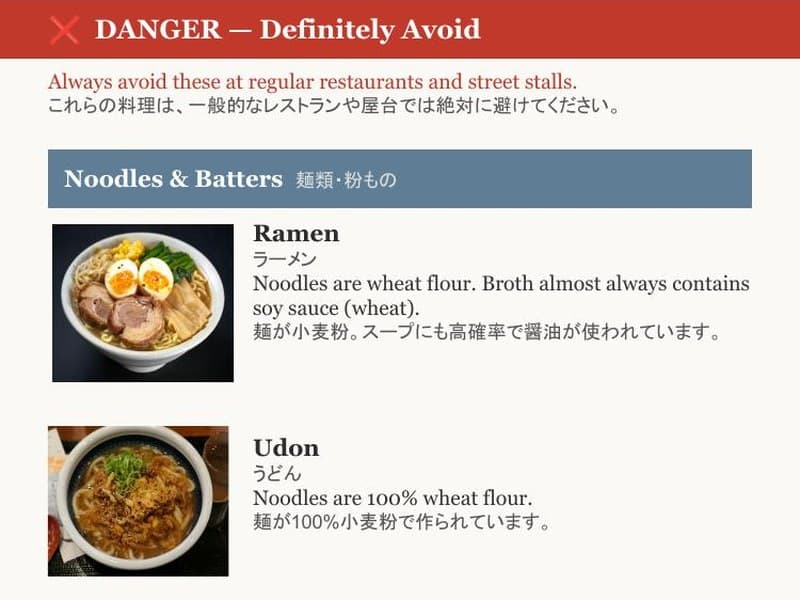
| 01 The Survival Guide | Food safety lists, the 6 hidden-gluten traps, breakfast solutions, label reading, and an emergency protocol |
|---|---|
| 02 Tried & Tested Restaurant Map | Only places the couple visited and ordered at, as a custom Google Map with honest risk notes. No sponsored listings |
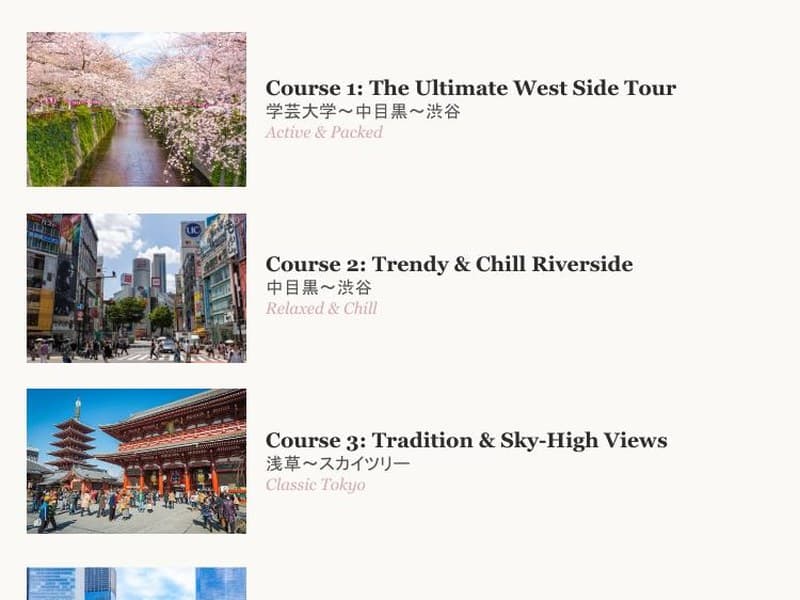
| 03 Five One-Day Model Courses | Ready-to-walk day plans that combine Tokyo sightseeing with safe, delicious meals |
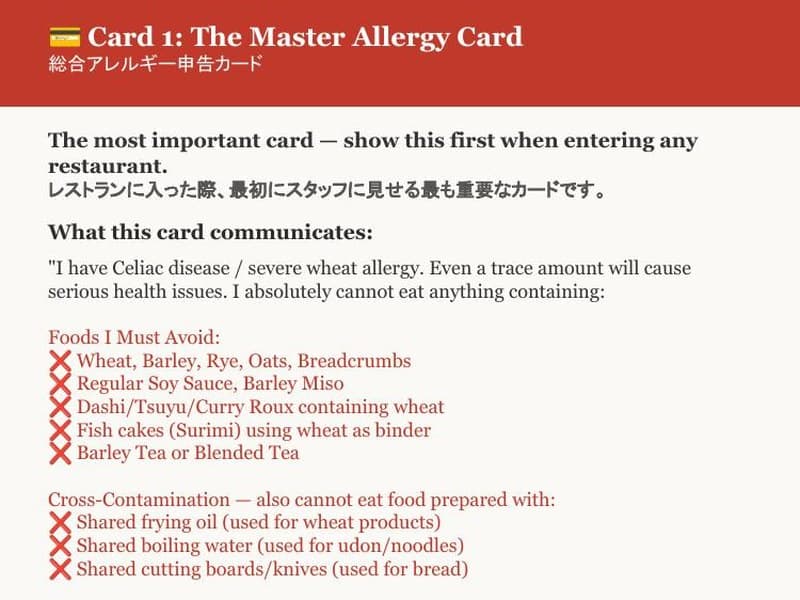
| 04 Japanese Allergy Cards | Three cards in natural Japanese. Show your phone screen to restaurant staff |
Format: PDF (60+ pages, every page in English and Japanese, designed for phone screens) plus a custom Google Map. Price: USD 33. Delivery: a download link arrives by email right after checkout. The guide is re-checked and updated regularly. Every place had to pass a second test: Maki, who has no allergy and eats wheat every day, judged each dish against its regular wheat-based counterpart, and only places that hold up are listed. Every place is marked for what works for strict celiac travelers and what works for milder wheat avoidance, with cross-contamination notes. Anything that could not be confirmed is left out or marked as unverified.
About Gluten-Free Japan Compass
Gluten-Free Japan Compass (gf.versence.jp) is VERSENCE's free English media for gluten-free travel in Japan, launched in August 2026. As of September 29, 2026, it publishes 18 articles: restaurant reviews from personal visits, explainers on hidden gluten in Japanese food, and practical trip-planning tips such as how to tell a restaurant about your allergy in Japanese.
Comments
Komemaru: "Right after the diagnosis, the hardest part was deciding alone, at every meal, whether something was safe. I wanted to hand people who come to Japan with the same worry a list of places we had actually gone and checked. That is all we set out to do, one restaurant at a time."
Yuma Maki, CEO: "When my wife was diagnosed, what we wanted most was someone we could trust to say: this place is fine. That voice did not exist, so we went and checked, one place at a time. It may sound odd coming from someone who works in AI, but information that touches people's health should be verified by a person who actually went there. Japanese food is extraordinary. We want people who cannot eat everything to enjoy it too, without fear. That is what this business is for."
About VERSENCE Inc.
VERSENCE Inc. (Suginami, Tokyo; founded March 31, 2025; CEO Yuma Maki) runs Gluten-Free Japan Compass, an English gluten-free travel media for visitors to Japan, and publishes the Gluten-Free Tokyo Planning Guide. Websites: gf.versence.jp (media and guide), versence.jp (corporate).
Media contact
VERSENCE Inc. / Yuma Maki
Email: info@versence.jp
Information only, not medical advice. Please consult your physician for personal allergy management. Restaurant menus and kitchen practices can change without notice.