Most advice about gluten-free travel in Japan is written for a person eating alone. In real life, dinner usually has at least one other person in it, and that other person can eat anything.
That changes the problem. Safety is one question, and it is the one that gets written about. The other question is quieter and comes up far more often: how do two people who need different things choose one restaurant, at seven in the evening, without it becoming a negotiation.
This is how our household does it.
Planning a gluten-free trip to Tokyo?
See the 100+ verified spots in our Tokyo Guide →Who is writing this
Our situation, stated plainly, because it shapes everything below.
Komemaru has a mild wheat allergy, not celiac disease. Maki has no dietary restriction at all. That means our arrangement is more relaxed than a celiac household's can safely be, particularly around shared plates.
The part of this that travels well is how we choose where to go. The part that does not is our looseness about cross-contact. There is a section further down that separates the two, and we would ask a celiac reader to go and read it before borrowing anything from here.
The question that decides the evening
Before looking at whether a restaurant can accommodate a request, we look at something simpler: what is this restaurant mainly made of?
Almost every difficult evening we have had came from getting this wrong. A helpful, willing restaurant where wheat is the entire menu still leaves one person picking at a salad and a couple of side dishes. A restaurant that happens to have several things on its menu without wheat in them needs no conversation at all.
So the first cut is not about gluten-free menus. It is about what the kitchen is for.
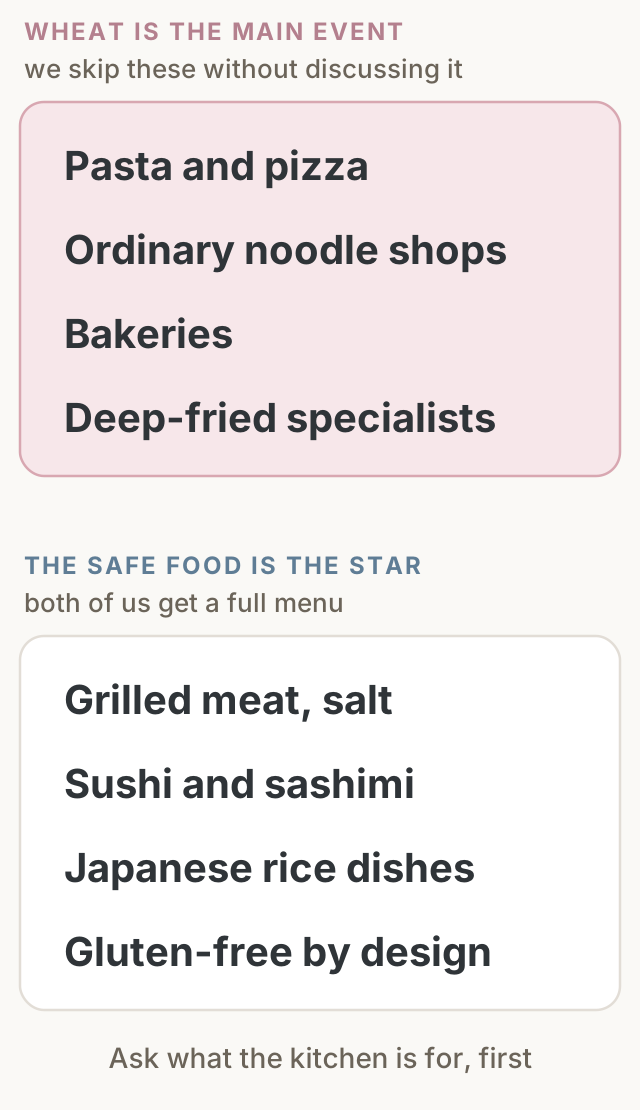
Two lists, and almost every restaurant in Tokyo falls into one of them
Places we skip without discussing it
- Ordinary Italian restaurants. Pasta, pizza and bread make up most of the menu, so there is not much on it that Komemaru can order. We usually pick somewhere else instead
- Ordinary noodle shops. Ramen and udon are wheat noodles. Noodle places that offer gluten-free noodles are a different matter, and we do go to those
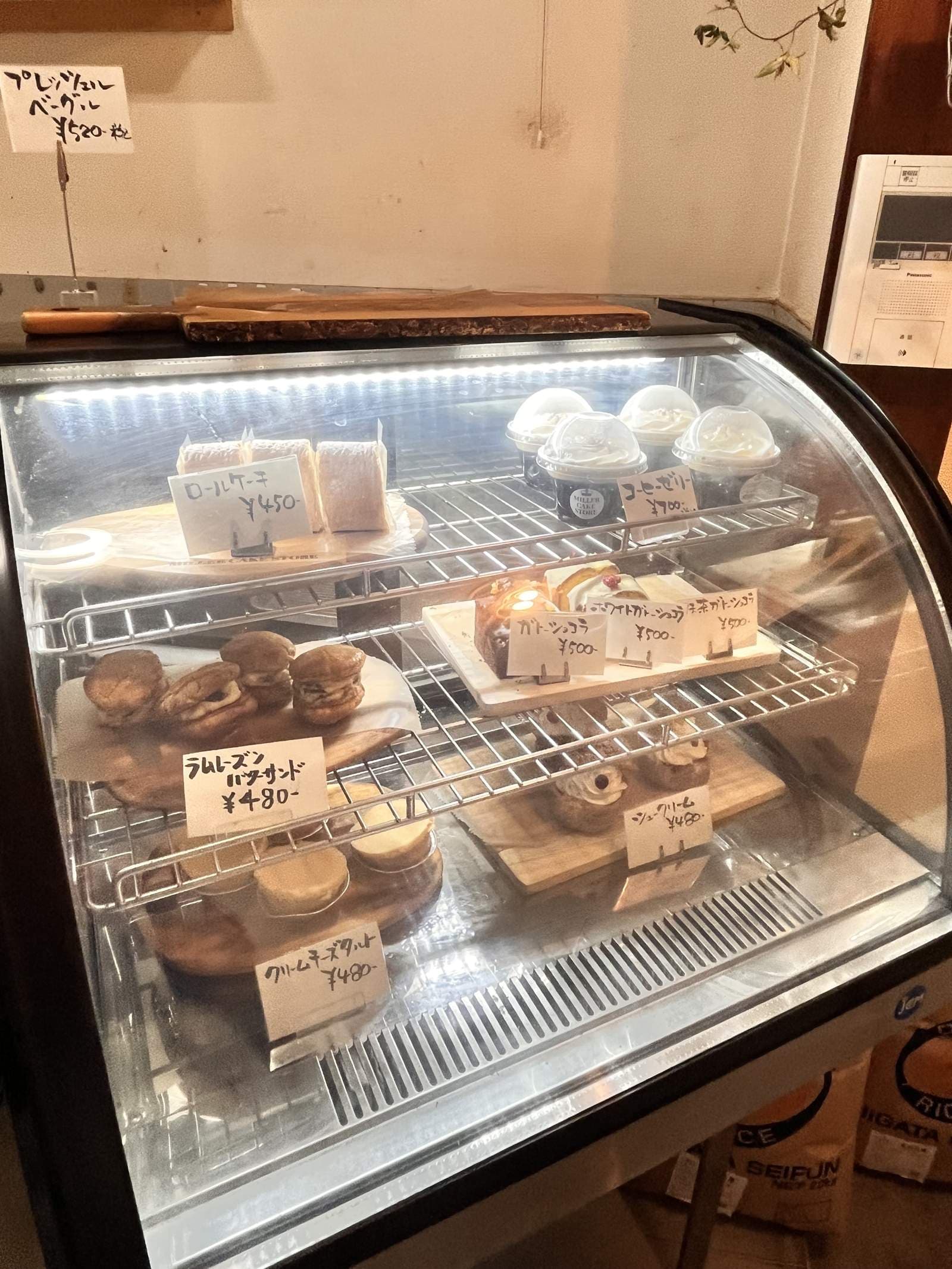
- Bakeries and sandwich places
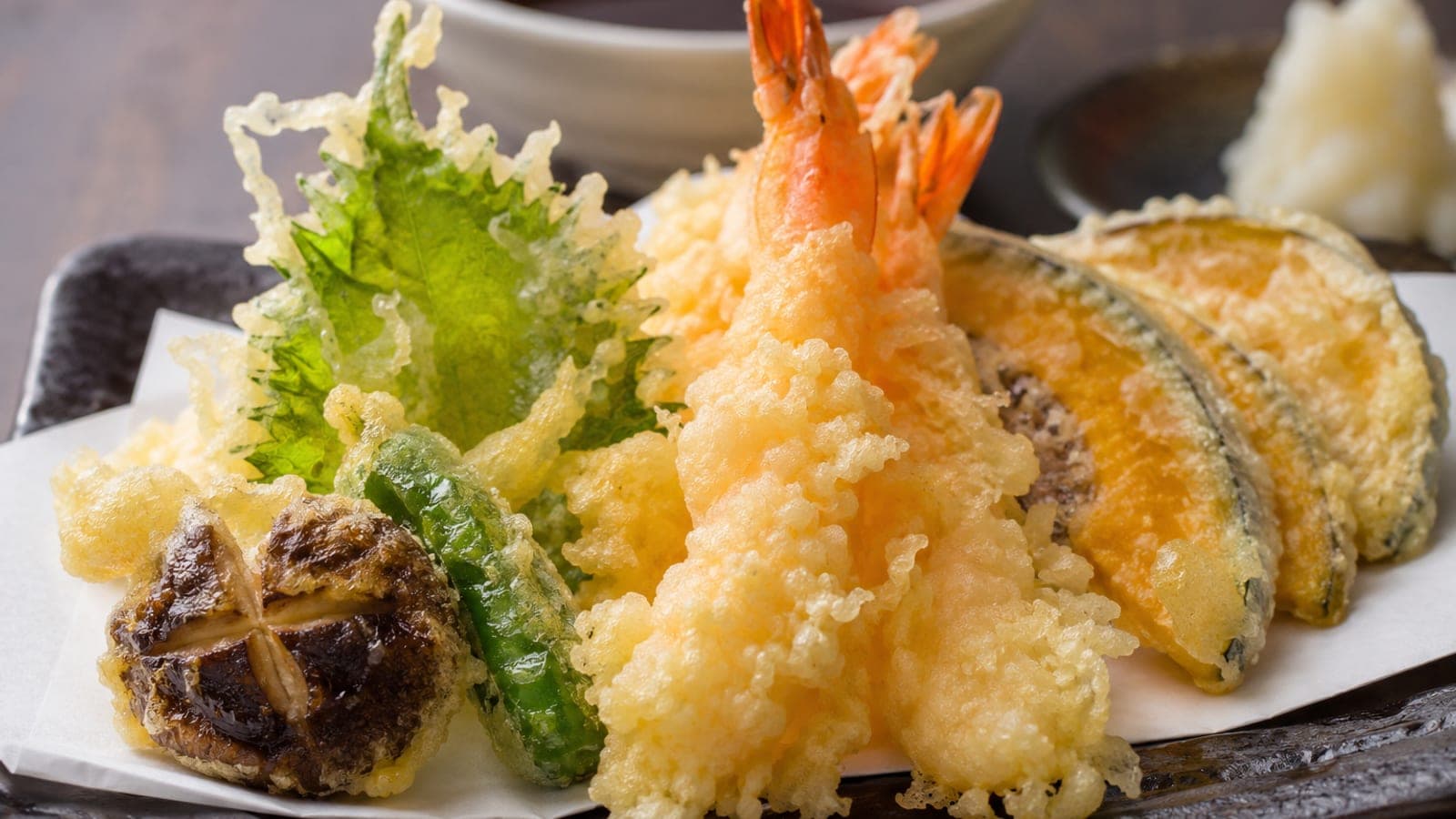
- Tempura and other deep-fried specialists, where the fryer is shared with everything else on the menu
Places that tend to work for both of us
- Grilled meat. Ordering with salt rather than sauce keeps it simple, and it is what Komemaru prefers anyway
- Sushi and sashimi, where the food arrives as fish and rice
- Rice-based Japanese food generally, which is most of home-style cooking here
- Restaurants that are gluten-free by design, where the menu is simply the menu
One place that does not fit either list: juwari soba, buckwheat noodles made without any wheat flour. We do go to those shops. For a mild wheat allergy that works well. For celiac disease it usually does not, because juwari soba is boiled in the same water as wheat-containing noodles unless the shop is dedicated, and the dipping broth is made with soy sauce.
Note that none of the second list requires a restaurant to do anything unusual. That is the point. The best outcome is not a restaurant that accommodates you well, it is a restaurant that has nothing to accommodate.
We do not have one system, we have two modes
The honest answer to "how do you choose" is that it depends on the day, and we have stopped pretending otherwise.
Gluten-free-first days. We pick from places we already know are gluten-free or gluten-free friendly, and we build the outing around the restaurant. Most of the meals we have written about on this blog come from days like this.
Ordinary days. We go wherever we feel like going, within the shape described above, and Komemaru orders around the wheat.
That second mode exists because her allergy is mild. A celiac household does not get an ordinary-days mode, and we do not want to imply otherwise. But you still have two modes. They are not strict and relaxed. They are these:
- The restaurant is the destination. You choose it several days ahead, you ask about your requirements in writing when you book, and you plan the rest of the day around where it is. This is the mode for a dinner that matters
- The shortlist you built before you left home. Five or six places you already checked, saved on a map on your phone, spread across the areas you expect to be in. Nothing is booked. But whichever one you end up at, the checking was done weeks ago, at your own desk, with time to read
The second one is the mode most people never set up, and it is the one that makes a trip liveable. It is not a spontaneous evening in the sense we get to have, but it feels close to one, because the work happened in advance rather than on the pavement.
What carries across either way is deciding which of the two tonight is, before anyone opens a map. "Where shall we eat?" is the question that makes an evening tiring, because for a gluten-free traveller in Japan it has no answer. "Which of our saved places is closest to where we are standing?" takes about thirty seconds.
Free: the Gluten-Free Japan Pre-Trip Checklist
What to do, and when, from six months out to your days in Tokyo. Two pages, for your phone or for print.
Get the free checklist →What the person without the restriction does
This is the part readers ask about most, so here it is directly.
At an ordinary restaurant, Maki eats wheat normally. Tempura, noodles, bread, whatever is on the menu. There is no ceremony about it and no apology in it. Komemaru would find it far more uncomfortable to be the reason someone else is not eating what they want.
At a gluten-free restaurant, he orders from the gluten-free menu too, and we order two different things. This is the part we look forward to. When the whole menu is safe, nothing on it has to be checked, negotiated or handed over, so we pick two dishes we would not otherwise have chosen and try a bit of each. Somewhere with a gluten-free kitchen is the one place where a table of two gets to eat like a table of four.
That is the real argument for seeking these restaurants out, and it is a nicer one than safety. The goal is not for one person to eat around the other. It is for the two of you to be eating the same meal, in the same conversation, as often as the situation allows.
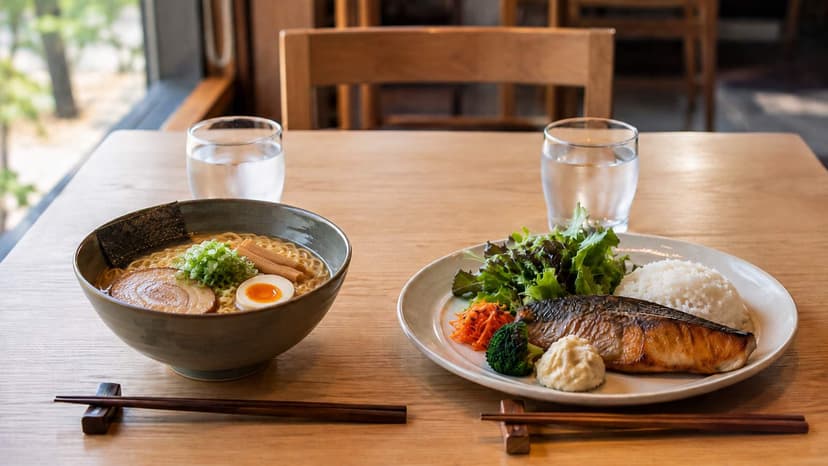
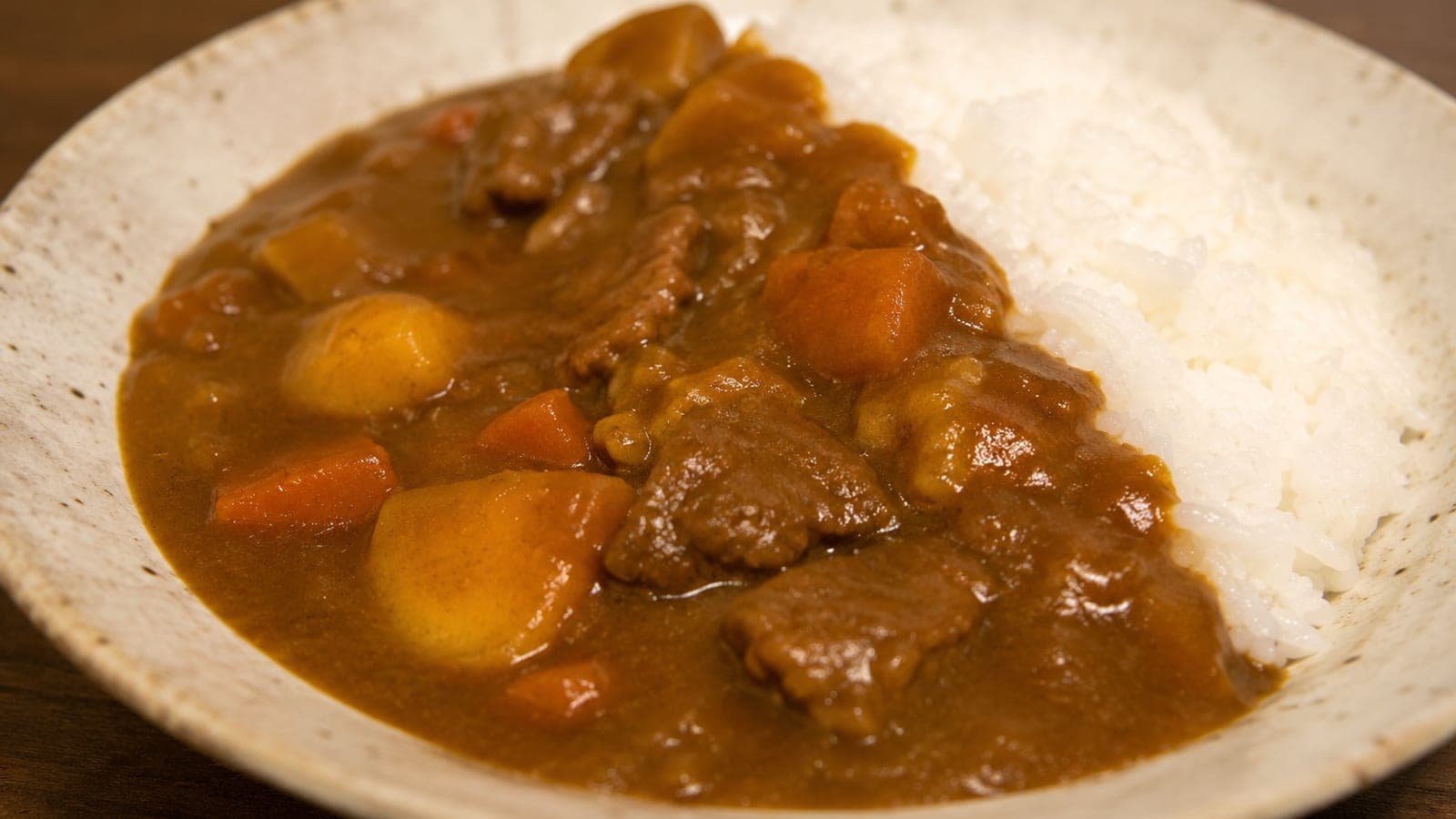
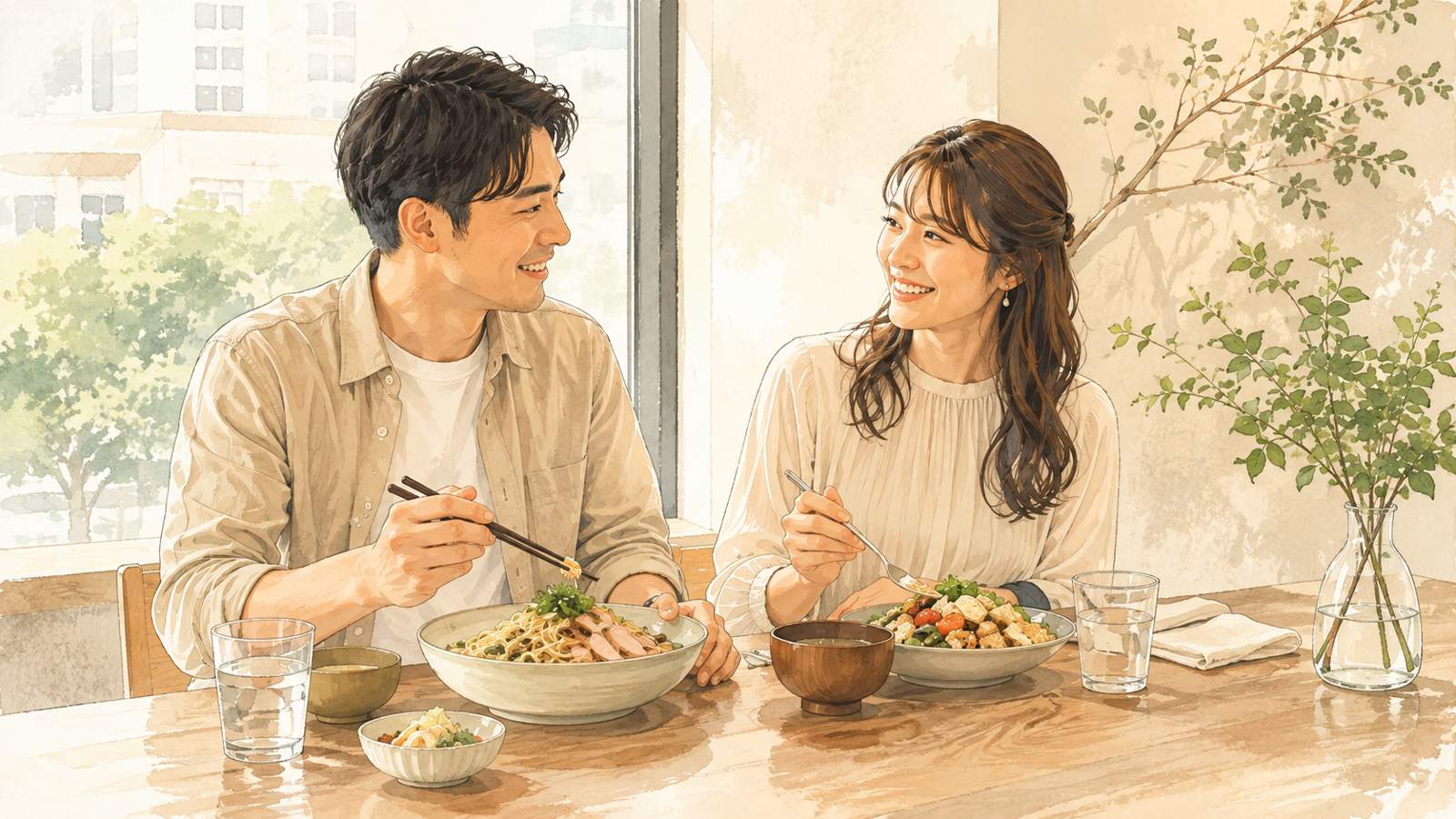
Two different meals sharing one table, which is what most of our evenings actually look like
Where our habits stop being useful to you
We want to be careful here, because this is the part where copying us could cause harm.
We share plates. We use the same serving chopsticks. We do not think about crumbs, and we do not ask about fryers unless we are curious rather than concerned. All of that is a reasonable response to a mild wheat allergy and an unreasonable response to celiac disease.
At an ordinary restaurant, where one person is eating wheat, the mixed table has its own rules if the person with the restriction has celiac disease, and they are mostly about the things that happen after the food arrives:
- Order individually rather than sharing, so that no dish has to be safe for two different standards
- Do not share a pot, a grill, or a fondue-style cooking vessel, because one dipped item is enough to end it
- Keep the dipping bowl personal. In Japan a great many meals involve dipping into a small bowl of sauce, and a bowl is only as safe as the last thing put into it
- Watch the serving spoon, which is the most common route by which a safely ordered dish stops being safe
- Let the person with the restriction be served first, before shared utensils have been anywhere
None of these are difficult. They are simply a different set of habits from ours, and they are the ones a celiac household should build.
Note that every one of them falls away at a restaurant where the entire kitchen is gluten-free. That is worth saying plainly, because it is easy to carry the habits everywhere out of caution and never notice the one room where you can put them down.
Booking for a party where one person has the restriction
One practical detail worth knowing: Japanese restaurants prepare sauces and stocks in advance, which means a request made at the moment you book is answerable and the same request made at the table often is not.
We write this into every reservation, and we have set out the exact Japanese text, line by line, in a separate article: how to tell a Japanese restaurant you are gluten-free. The short version is that the message names how many people in the party need it, which for us is one, and that specificity is part of why restaurants say yes.
Asking for one person out of two is not treated as a difficult request here. Asking at the door often is, not because anyone minds, but because by then the kitchen has already done the work.
Four small habits that keep it pleasant
- Decide before anyone is hungry. Choosing where to go is a far easier job in the afternoon than at the moment you both want to be eating
- Keep two or three defaults. Places you both already know work, so that a tired evening never requires a decision
- Let the choosing rotate. If the person with the restriction always picks the restaurant, dinner slowly becomes their responsibility rather than a shared pleasure. If they never pick, it becomes something they endure
- Do not audit the meal. Ask the questions that matter when you book, and then eat. A dinner spent checking is not really a dinner out
What we would tell a couple arriving in Tokyo
Choose restaurants by what they are made of rather than by what they are willing to do for you. Put the request in writing when you book. Agree on what kind of evening it is before you start looking. And when you do find yourselves at a gluten-free restaurant, both order from the menu.
Eating differently from the person across the table does not have to mean eating separately from them. Most of the work is in the choosing, and the choosing gets easier fast.
For the places in Tokyo we have been to ourselves, see the Gluten-Free Tokyo Planning Guide.
This article describes how our own household eats out in Tokyo, where one of us has a mild wheat allergy rather than celiac disease. It is a record of our experience, not medical advice or a safety guarantee. If your requirements are stricter than ours, please treat the cross-contact section as the starting point rather than the rest of the article. The images in this article are illustrations of a shared table rather than photographs of us.